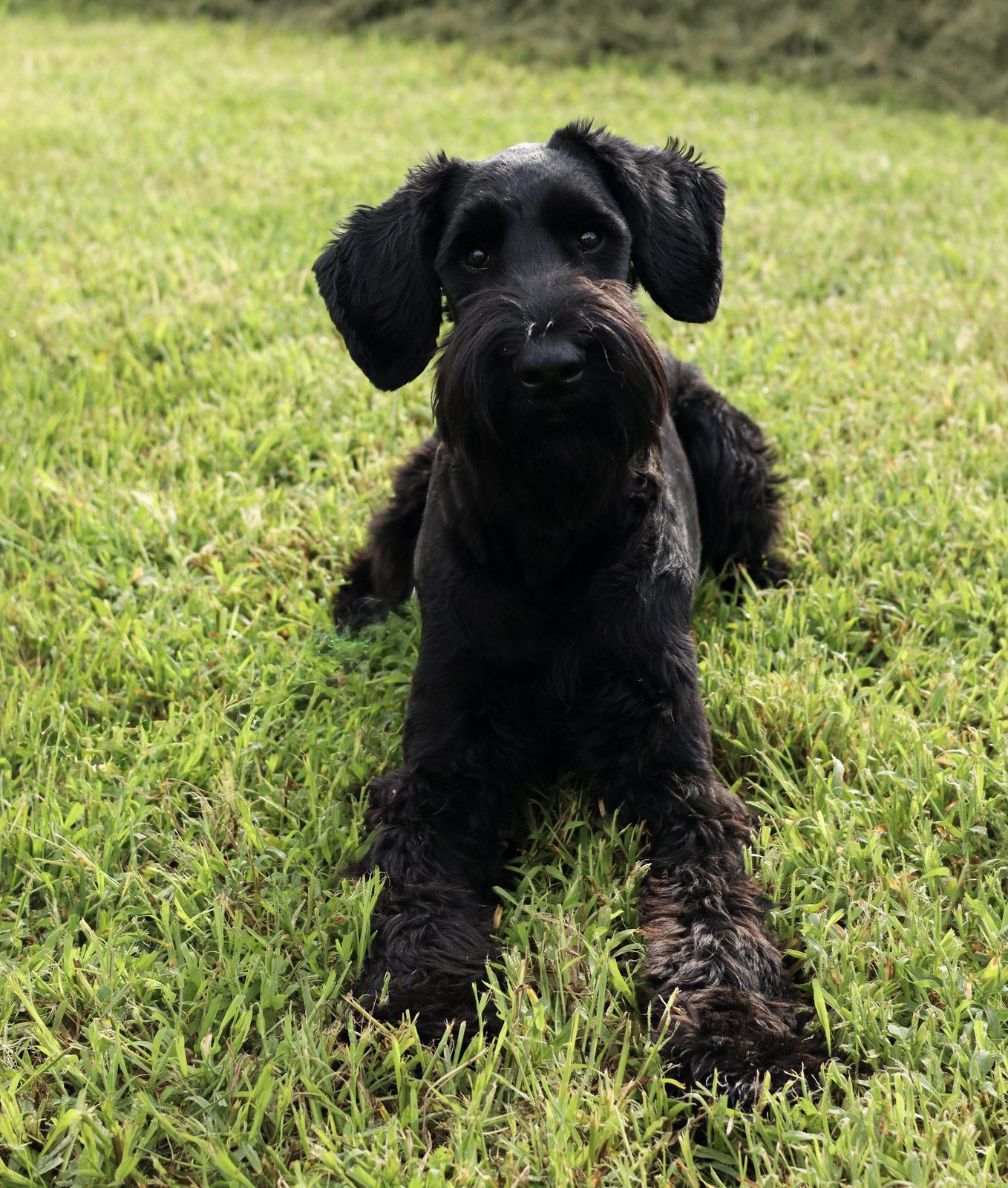
Visitors everywhere. Teach your puppy a quiet home base.
Neighborhoods here include year-round homes, rentals and subdivisions tucked into the hills, and everything gets busier in peak travel seasons. Puppies may bark at unfamiliar cars and luggage in the driveway. A mat or crate in a quiet room gives your puppy a place to rest while the outside world bustles.
The Parkway and Highway 66 carry heavy traffic, so keep walks to side streets and neighborhoods with less movement. Foothill trails look inviting, but wait for your puppy to be older and your vet to agree, and expect ticks and brush. Hot pavement in tourist areas can burn paws, so test it first.
If you rent out part of your home or have guests often, set rules for the puppy and share them with everyone. Because one trainer stays involved the whole way, real-life situations like greeting strangers politely get practiced at home. Request a free estimate to begin.
How it works. Three simple steps.
- Fill out the short estimate form with your town and what your dog needs.
- Your request is reviewed and you are referred to a trainer based on your dog's needs and your area.
- You get a callback to talk through your dog and an estimate for the right program.
Nearby communities. Also covered.
Why owners choose this
One trainer. Your dog. Real results.
We do not refer owners to franchise training chains. In our view, they lean on less experienced staff and indoor facilities instead of real-world training.
Good questions
Before we begin.
What helps a puppy cope with so many visitors around?
Give your puppy a quiet base, reward settling and keep greetings short. Ask guests to wait for calm behavior.
Is it safe to walk a puppy near the Parkway?
Side streets are safer. Heavy traffic and crowds can overwhelm young puppies, so build up slowly.
Is foothill hiking too much for a puppy?
Not right away. Check with your vet, then try short, easy trails and look for ticks afterward.