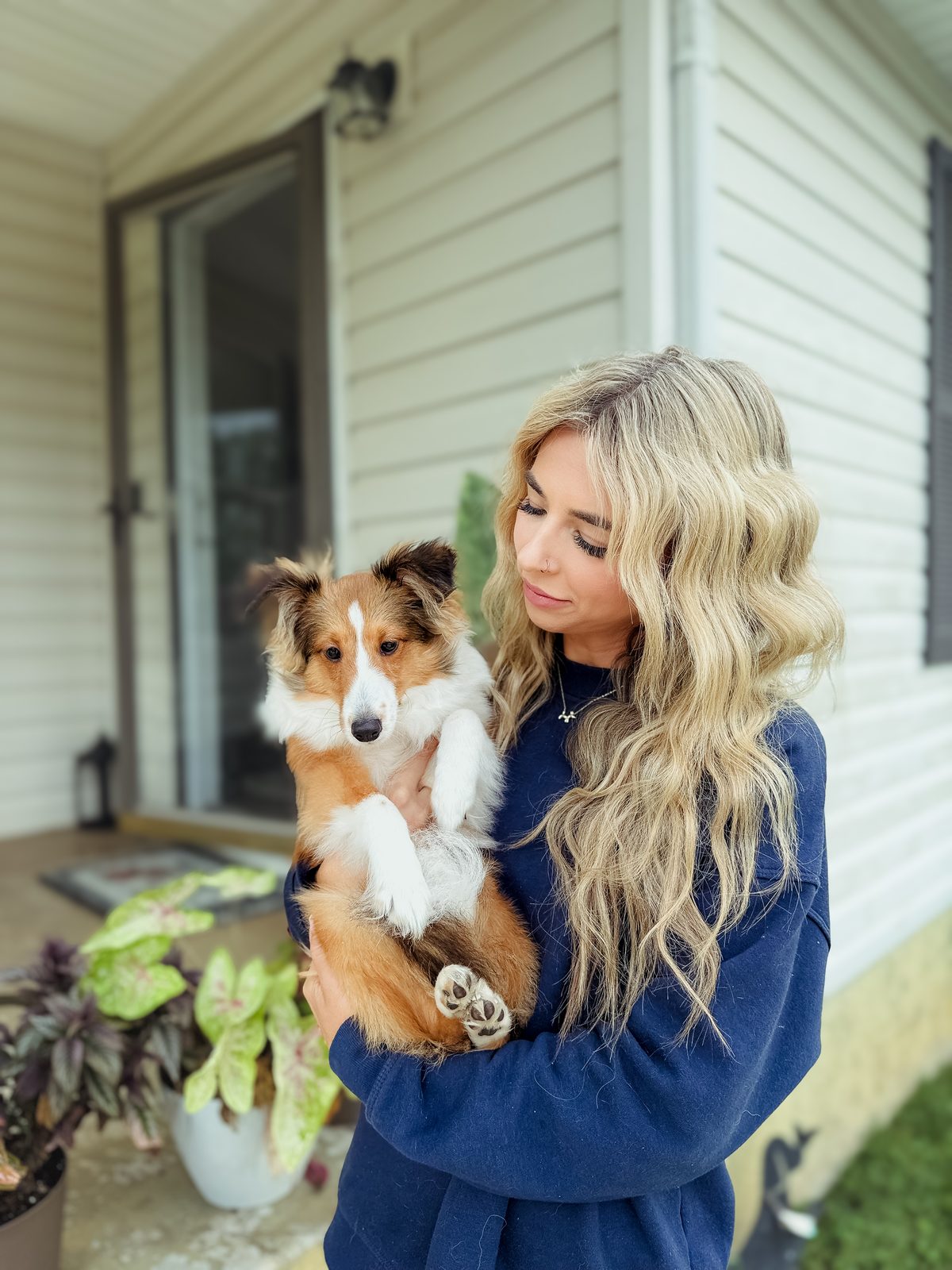
Farms on one side, subdivisions on the other.
If you live in a subdivision, expect close neighbors, shared fences and a puppy who wants to say hello to everyone. If you live on farmland, expect more space but also livestock, equipment and long gravel drives. Either way, a calm leash introduction to the outdoors keeps early habits clean.
Highway 11E and Interstate 40 carry steady traffic, so keep walking routes on side streets or your own property. Fields and ditch lines hide ticks and burrs, so check your puppy after each trip. Mowed edges and quiet lanes are best for practicing recall with a long line, away from fast cars.
A simple routine for either setting is to link each outing to a cue, like sit at the door and wait for the release. Puppies who learn that early pull less and dash less. One trainer for the whole stretch means the routine can be fitted to your property. Request a free estimate when you are ready.
How it works. Three simple steps.
- Fill out the short estimate form with your town and what your dog needs.
- Your request is reviewed and you are referred to a trainer based on your dog's needs and your area.
- You get a callback to talk through your dog and an estimate for the right program.
Nearby communities. Also covered.
Why owners choose this
One trainer. Your dog. Real results.
We do not refer owners to franchise training chains. In our view, they lean on less experienced staff and indoor facilities instead of real-world training.
Good questions
Before we begin.
Should I train differently in a subdivision than on a farm?
Slightly. Subdivision puppies need polite greetings and leash skills, while farm puppies need recall and boundaries. A trainer can tailor the plan.
What keeps a puppy from bolting out the door?
Practice sit and wait at every door and reward the release cue. Use a leash near open doors during early training.
Is the roadside safe for walking a puppy?
Side streets are safer. Keep your puppy well off the shoulder of busy highways.