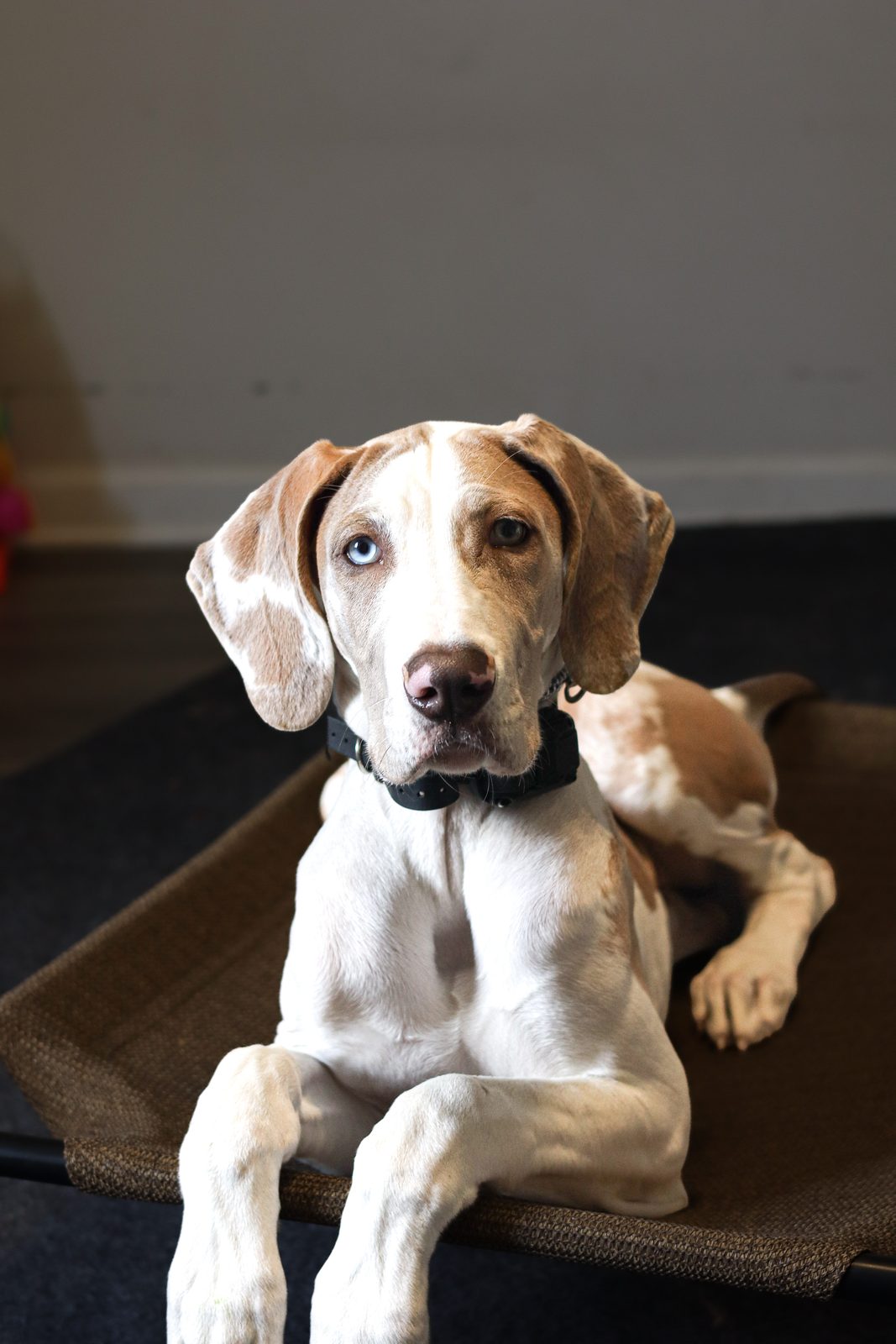
Lake breezes, highway hum. Keep your puppy settled.
Homes here run from older downtown houses to newer subdivisions and waterfront lots. The mix of boats, trucks and weekend visitors makes for a noisy backdrop. Playing recorded sounds at low volume while your puppy eats or chews teaches that busy sounds are boring, which carries over to real outings.
The waterfront gives a scenic place to practice leash manners once your vet agrees. Choose early morning to avoid crowds, keep your puppy away from the water's edge at first and carry a towel for muddy paws. Quieter streets off Highway 321 suit short leash sessions better than the main road.
If you live near the water, geese and fishing lines are tempting but risky. Teach a leave it cue at home with treats before you try it on the shore. A trainer who follows your family through every stage can shape the plan whether you live downtown or out on a cove. Use the estimate form to request help.
How it works. Three simple steps.
- Fill out the short estimate form with your town and what your dog needs.
- Your request is reviewed and you are referred to a trainer based on your dog's needs and your area.
- You get a callback to talk through your dog and an estimate for the right program.
Nearby communities. Also covered.
Why owners choose this
One trainer. Your dog. Real results.
We do not refer owners to franchise training chains. In our view, they lean on less experienced staff and indoor facilities instead of real-world training.
Good questions
Before we begin.
How do I get my puppy used to boat and truck noise?
Play the sounds softly during meals or play, and slowly increase volume. Outdoors, start at a distance and reward calm.
What is a good first outing near the waterfront?
Pick a quiet time and stay back from the water. A short visit with treats and rest breaks is plenty for a young puppy.
Why is leave it so important near the lake?
Fishing hooks, dead fish and geese can hurt your puppy. A reliable leave it cue keeps the shore safer.